Notes from the Magic Mountain
What to Pack for Davos (and What You'll Wish You Had)
What actually works for walking Davos in the snow all week — coats, shoes, layers — plus the medical costs first-timers don't see coming.
Last updated: August 2026
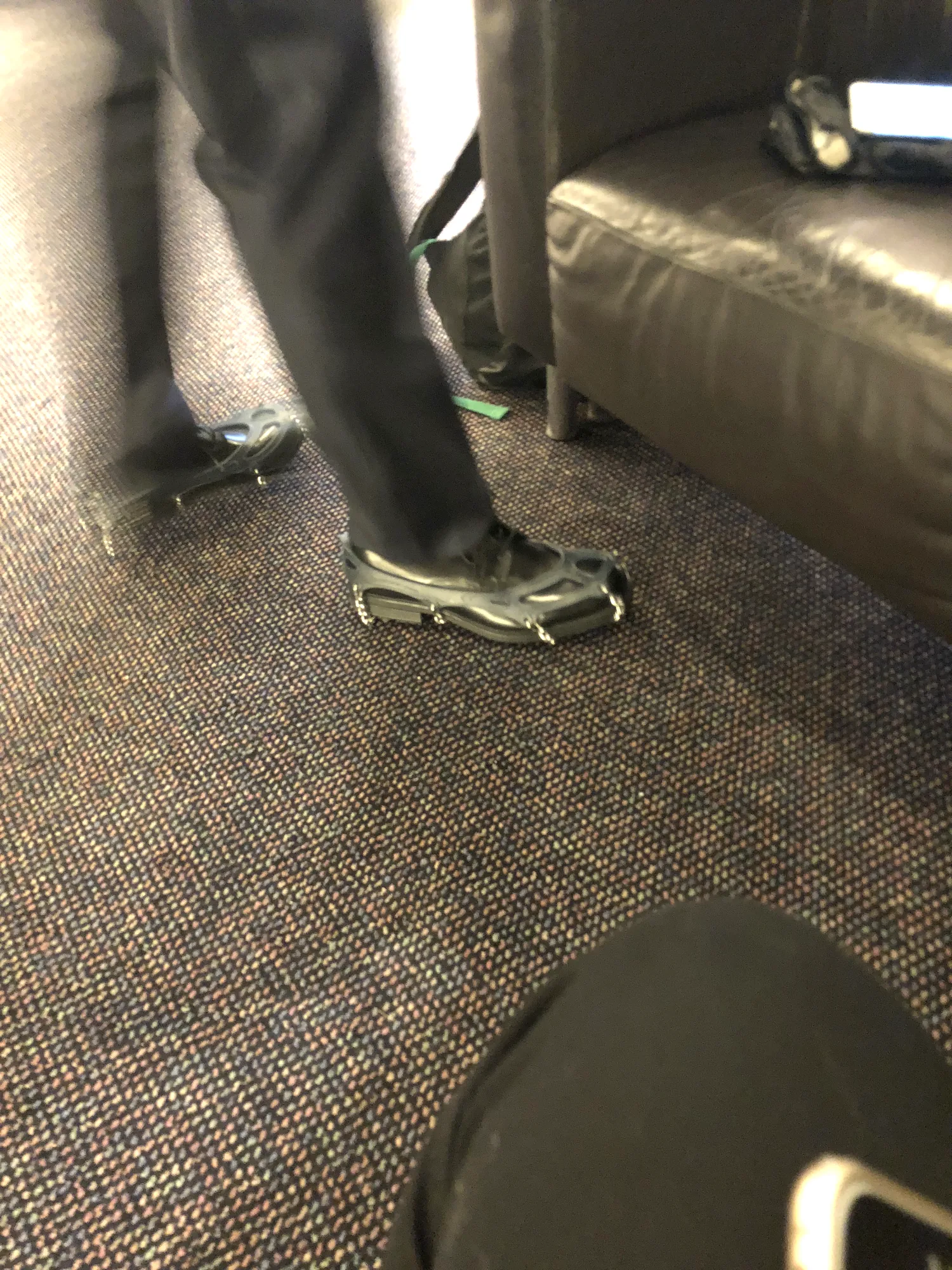
The boots decide your week
- Pavements are packed snow that's been walked into ice by lunchtime. Smart shoes on that surface are how first-timers end up on the ground, literally. Bring real winter boots with a proper rubber sole, and carry whatever you actually need to wear indoors in a bag.
- Nobody is judging your boots on the street. Swap into your other shoes once you're inside — most places have somewhere to leave a coat and bag, and it takes thirty seconds.
Layers beat one heavy coat
- You'll go from a blizzard outside to an overheated, overcrowded room inside, several times a day. One big coat over a thin shirt means you're either freezing or sweating, never comfortable. Layers you can actually take off make the whole week easier.
- A warm coat you can walk in, gloves, and something for your ears covers most of it. It doesn't need to look like mountaineering gear — it needs to keep you upright and warm at eleven at night.
The small stuff that actually matters
- Gloves that work with a touchscreen — you'll be checking your phone outside more than you expect. Sunglasses, because bright sun on fresh snow is genuinely hard on your eyes during the day. And keep your phone charged; cold weather drains batteries faster than you'd think, and you don't want to be looking for an outlet when you're already running late.
Nobody talks about getting sick in the valley
- A packed week, altitude, dry heated air indoors and freezing air outside is a genuinely rough combination, and a cold or chest infection going around the Promenade by midweek is a normal, unglamorous part of Davos folklore. Pack more immune-support basics than you think you need, and get real travel insurance before you land — not the box you tick without reading it.
- Swiss healthcare will also happily bankrupt you if you're paying out of your own pocket. Call an ambulance and expect a bill somewhere around CHF 1,500 before you've even reached a doctor — I've seen it run lower and I've seen it run well past CHF 2,000, depending on the canton and how far they drive. Add an actual hospital visit for that chest infection and the number stops being funny — that's exactly the scenario the insurance from the first paragraph is for.
- There's a good reason the specialists here are genuinely excellent: Davos wasn't built for banking conferences. In 1853, a doctor named Alexander Spengler, working as the local county doctor, noticed that tuberculosis was essentially unknown among people who lived at this altitude — and that patients sent up from the lowlands improved. That observation turned Davos into the world's best-known high-altitude health resort for the next century, which is also the reason the town gave its name to the Thomas Mann novel this section borrows its own name from. That medical history didn't disappear — the Swiss Institute of Allergy and Asthma Research and the Hochgebirgsklinik Davos, both descended directly from the town's original tuberculosis research institute, are still there, and still among the more serious respiratory specialists anywhere.
Sources: Alexander Spengler, Wikipedia, swissinfo.ch, Swiss Institute of Allergy and Asthma Research, Comparis, ambulance costs
Got a specific question?
We've usually seen your exact situation before. Ask directly — no template reply.